


When temperatures begin to drop, fall becomes the ideal time to schedule furnace maintenance in Arlington, VA. Preparing your heating system before the coldest weather hits ensures it runs safely, efficiently, and reliably throughout the season. Whether you rely on a gas furnace or an electric model, yearly professional care is essential—and our team takes a meticulous, detail-driven approach to every tune-up we perform.
A thorough furnace maintenance visit starts with a full system inspection. For both gas and electric furnaces, we begin by examining all accessible components to identify signs of wear, corrosion, loose connections, or improper airflow. Catching these issues early prevents midwinter breakdowns and helps extend the lifespan of your system. We also assess the furnace’s overall cleanliness—dust, dirt, and debris buildup can seriously hinder performance and efficiency if left unaddressed.
What Does Furnace Maintenance Include?
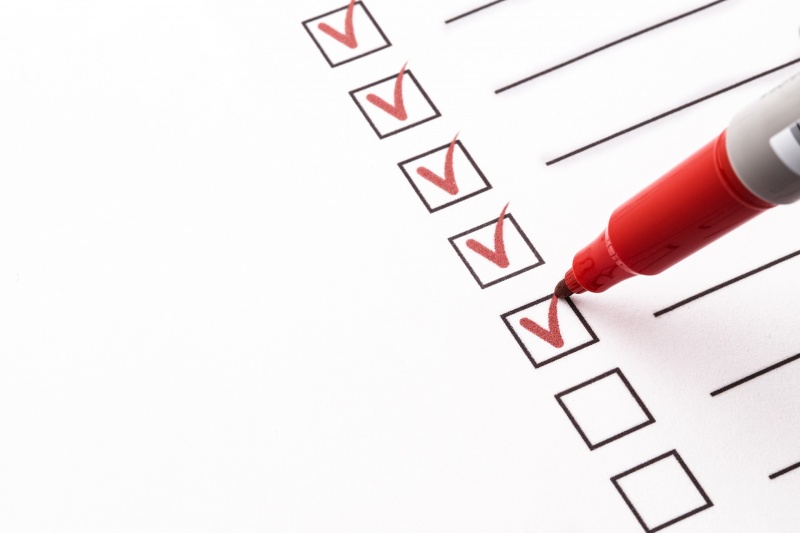
- Inspect furnace components for wear, damage, or safety issues.
- Clean dirt and debris from critical system parts.
- Check the air filter, blower, and overall airflow.
- Test and calibrate the thermostat for proper operation.
- Inspect burners, ignition, heat exchanger, gas pressure, and venting on gas furnaces.
- Check heating elements and electrical connections on electric furnaces.
- Run a complete heating cycle to confirm safe, efficient performance.
Gas Systems
For gas furnaces, safety is our top priority. We carefully inspect the heat exchanger for cracks or damage that could lead to carbon monoxide leaks. We check the burner assembly, monitor ignition performance, and verify that the flame sensor is functioning properly. We also test gas pressure and ensure the venting system is clear and secure, allowing combustion gases to exit the home safely. These checks aren’t just technicalities—they’re critical steps that protect your household from hidden dangers.
Electric Systems
Electric furnaces require their own specialized care. Our technicians inspect heating elements for wear, ensuring each one heats evenly and consistently. We tighten electrical connections, examine wiring for signs of stress or overheating, and test the sequencer to confirm that the elements power on and off at the right times. Even small electrical issues, if left unresolved, can lead to inefficient operation or unnecessary strain on the system.
Airflow
One of the most important steps in furnace maintenance—regardless of fuel type—is airflow optimization. We replace or clean the air filter, inspect the blower assembly, and measure static pressure to ensure air is moving freely through the system and ductwork. Restricted airflow often causes overheating, short cycling, and higher energy bills. By restoring proper airflow, we help your furnace run more smoothly and keep your home comfortable with less effort.
Thermostat
Thermostat calibration is another key piece of the maintenance process. We test the accuracy of the thermostat, verify communication between the thermostat and furnace, and ensure that temperature settings match the actual comfort level in your home. A miscalibrated thermostat can cause unnecessary energy use or leave your home feeling inconsistent and drafty.
Final Touches
At the end of every maintenance visit, we run a complete system cycle test to ensure everything operates exactly as it should—from startup to shutdown. This final step gives you peace of mind knowing your furnace is ready for the months ahead.
Fall maintenance is one of the simplest and most effective ways to protect your home comfort. When you choose our team, you’re choosing experts who don’t cut corners—we’re thorough, detail-oriented, and committed to keeping your furnace performing at its best all season long.
Frequently Asked Questions
Question: How do I know if my furnace needs maintenance before winter?
Answer: If the furnace has not been serviced within the past year, a preseason tune-up is a good idea even if it seems to be working normally. Changes in airflow, unusual smells, longer run times, or inconsistent heating can also signal that maintenance is due.
Question: Can furnace maintenance help prevent a breakdown during cold weather?
Answer: It can reduce the risk. A tune-up gives technicians a chance to spot worn parts, loose connections, airflow restrictions, or ignition problems before the furnace is under heavy winter demand. It cannot prevent every failure, but it can catch many developing issues early.
Question: Is furnace maintenance still necessary if I change the air filter regularly?
Answer: Yes. Replacing the filter is important, but it only addresses one part of furnace upkeep. Professional maintenance also checks safety controls, electrical components, heating performance, airflow, burners or heating elements, and other parts that homeowners cannot fully evaluate with a filter change alone.
Question: Can skipping furnace maintenance make heating problems more expensive?
Answer: Yes. Small issues such as loose electrical connections, restricted airflow, dirty components, or worn parts can place additional strain on the system if left unresolved. Catching them during routine maintenance may help prevent more extensive furnace repairs later.
Question: What should I do if my furnace starts acting differently after months of normal operation?
Answer: Pay attention to changes in noise, airflow, heating time, cycling, or indoor comfort. Even if the furnace still produces heat, a noticeable change in operation can indicate developing wear or a performance issue. Scheduling an inspection can help identify the cause before it worsens.
Contact Polar Bear Air Conditioning & Heating today to schedule an appointment or ask any questions you have about furnace maintenance in Arlington, VA.