


 In the Northeast and the Midwest regions of our country, many homeowners are getting ready to retire their air conditioning systems for another winter season. We’re getting there ourselves, even if a bit slower than in those colder places. Does this mean you can ignore signs of trouble with your air conditioning system, even this late in the game?
Absolutely not! Sure, there may not be much of a cooling season left. By the time you’re reading this, you may have decided the AC is all done for the season. But do you want to be faced with old repair needs when a new cooling season comes back around next year?
We’re going to give that one an emphatic “no”!
If your air conditioner is in trouble, it will likely start to show some signs of distress. As far as signs that you need air conditioning repair in Arlington, VA go, they don’t come much clearer than a system blowing warm air.
 Do you know what sets a heat pump apart from something like a furnace or a heater? It does not generate new heat, but transfers existing heat from the air outside into your home. Furnaces and boilers, on the other hand, create new heat. This is accomplished either by electric resistance or the combustion of a fuel like gas or oil. In this regard, heat pumps are a lot like air conditioners—both ACs and heat pumps use the refrigerant cycle to move heat out of a home (and into a home, in the case of a heat pump).
 We all love our air conditioning systems, particularly when the heat and humidity of the summer season are really in full swing. As long as the system is up and running reliably, most homeowners are happy and don’t really give the system much more thought. While we certainly don’t mean to imply that you should ever attempt to service your air conditioner on your own, we do think that you should have some understanding of how your
  If you are looking for a resource that will tell you that there is a way in which to avoid problems with your air conditioning system indefinitely, then you have come to the wrong place. Why won’t we offer up these encouraging words? Well, because we are not in the business of lying to our customers. Nothing would make us happier than to guarantee that you’ll never encounter problems with your AC, but that is just not possible.
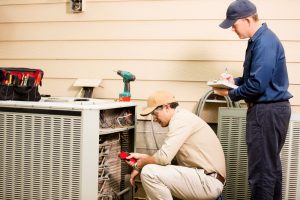 As long as your air conditioner is still operating with some semblance of success, you may be tempted to just let it limp along throughout the cooling season. We cannot advise you against doing so strongly enough. Yes, your air conditioner may be starting up and doing a half-decent job of cooling your home. No, that is not enough. You, and your air conditioning system, deserve a lot better than this.
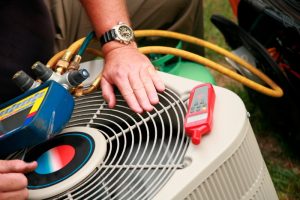 We are honest professionals, which is why we need to tell you that yes, at some point, you are going to need air conditioning repairs. When that time comes, you don’t want to make any mistakes that are going to make problems worse. That is why we have some tips for you to help you get the most from your
  We have not even really hit the cooling season yet, so it may sound a bit pessimistic to hear us talking about potential problems with your air conditioning system. The reality of the situation, however, is that you are going to experience problems with your air conditioning system at some point. When you do, it is definitely in your best interest to spot those signs early on and to have them resolved as soon as possible. Never ignore an AC that is running irregularly.
 Boy oh boy, are we ready for the summer weather to arrive. Sure, after a few weeks of truly brutal heat we’ll probably be wishing for things to cool down a bit, but some hot and sunny days sound pretty good right now, don’t they? Of course, it is a lot easier to enjoy that kind of weather when you know that you’ve got a nice, comfortable environment waiting for you once you do get back home for the night.
 At first thought, a freezing air conditioner may not sound like that big of a problem. After all, you want your AC to be cooling your home, right? Of course you do–but remember that there is a huge difference between an air conditioner and a freezer. Your air conditioner should be removing heat from the air in your home and recirculating that air back into the living space at a lower temperature. At no point should it be freezing up, though.
 Usually when we talk about leaks in air conditioning systems, we may be talking about oil or, unfortunately for some, refrigerant. However, every now and then we get a call from a homeowner concerned that their air conditioner is actually leaking water. This is not only alar ng, but also perplexing. After all, it is not as though an air conditioner actually uses water in its operation, right?